Is your mom or dad
just not the same anymore?
We come to their home in Quito and do a complete assessment: how they walk, how their memory and mood are, how they're eating, and which treatments they're actually following.
Almost nobody writes to us with a diagnosis. They write because they noticed a change.
By appointment, based on the doctor's availability. The assessment can be in English.
Medical content reviewed by Dr. Jefferson Astudillo Peña, general physician (SENESCYT registration 1008-2023-2705888). Last reviewed: September 2026.
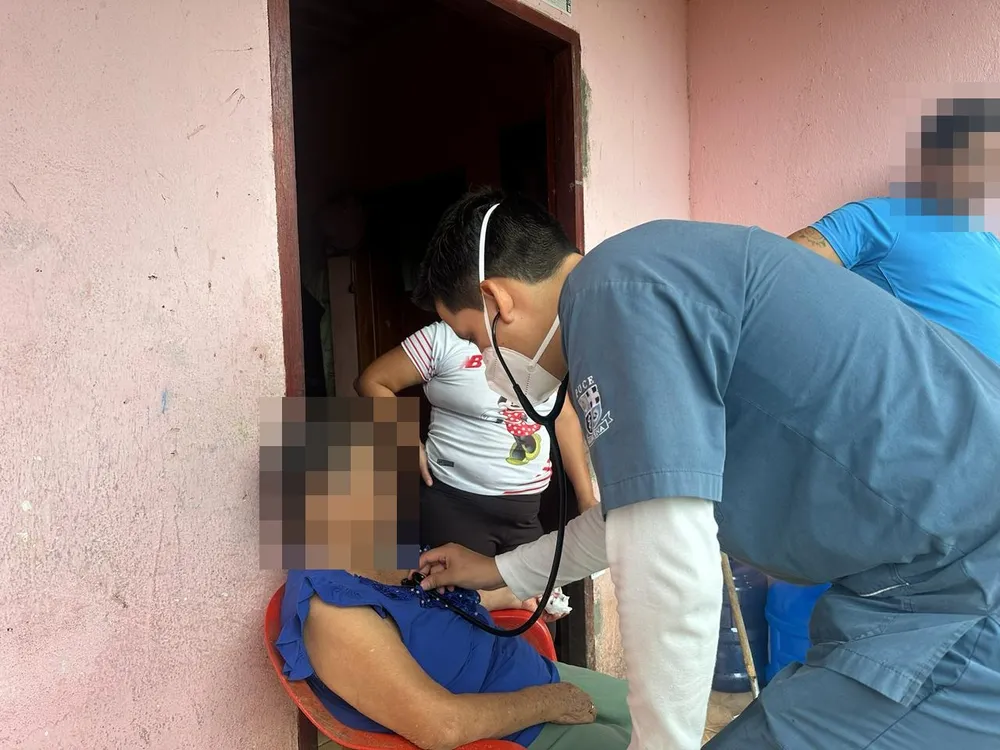
The question we always hear
“Is this just normal aging, or should we be worried?”
It's the question that comes up in almost every consultation, in one form or another. And it's a good starting point, because many things put down to getting older actually have a cause that can be identified and, in many cases, treated.
Telling aging apart from illness is exactly the job.
What usually gets written off as “they're just getting old”
What the family notices
- They've lost their appetite
- They seem down or sad
- They hardly want to go out anymore
- They're not sleeping well
- Sometimes they get confused or disoriented
What might be behind it
Side effects of a treatment, a thyroid problem, depression, pain that nobody is managing.
These are all concrete causes. None of them is “age.”
Do you recognize any of this in your mom or dad?
Tell us what you noticed(opens in a new tab)When a general doctor is no longer enough
When several things start piling up at once: falls, forgetfulness, weight loss, less interest in going out or seeing people, difficulty managing their own treatment.
At that point what matters is how all of it together is affecting their day-to-day life, and an assessment that looks at the whole person helps.
A common situation: an older person starts walking more slowly and leaning on furniture, and at home it's seen as something to be expected. Help is only sought after a fall with a fracture.
Assessing gait and balance earlier doesn't guarantee a fall won't happen, but it can greatly reduce that risk.
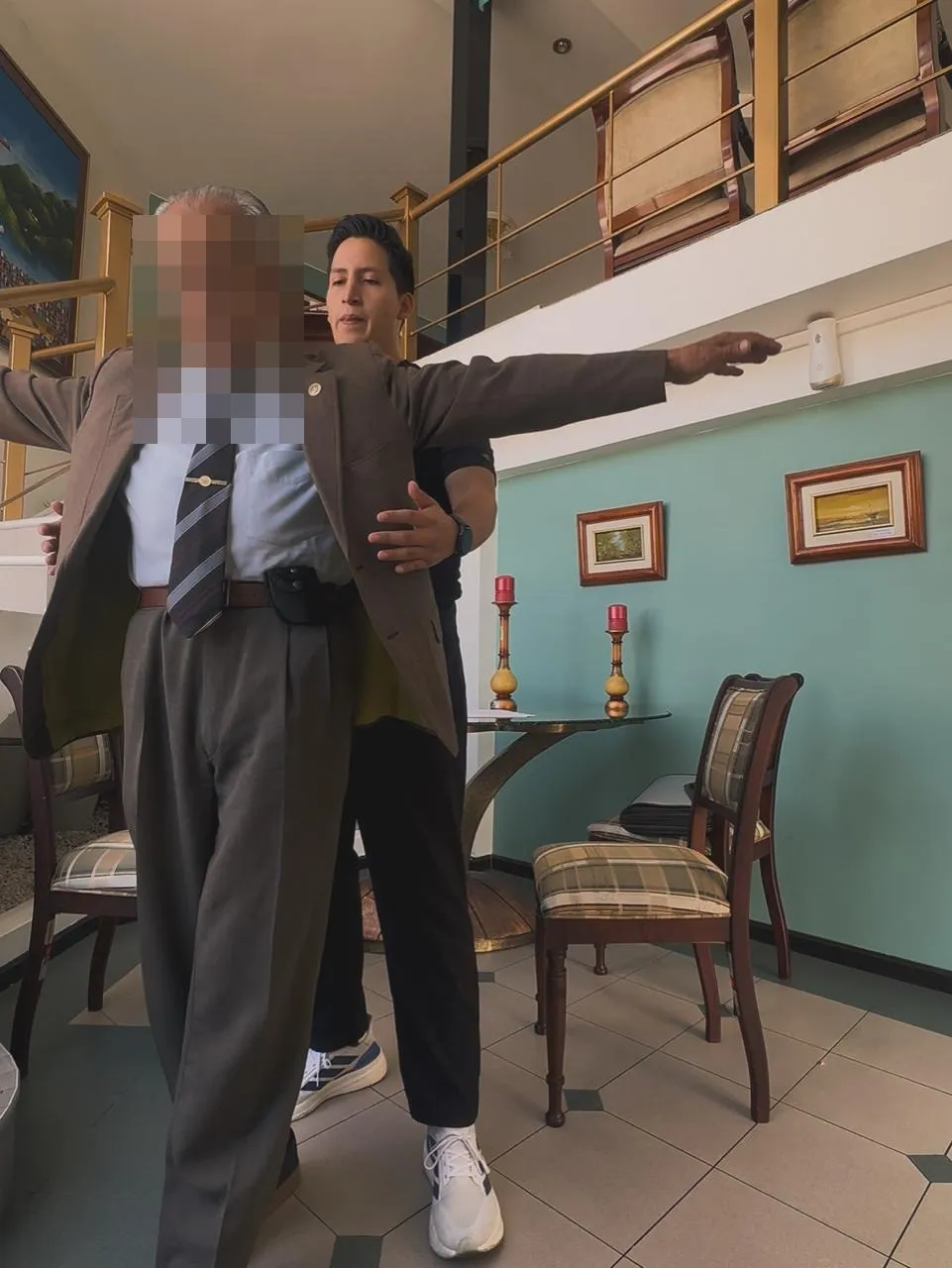
Assessing gait early greatly reduces that risk.
Message us on WhatsApp(opens in a new tab)What we check during the visit
Besides the reason you called us.
Gait and balance
How they walk and how they get up from a chair, to estimate the real risk of falling before it happens.
Memory and cognition
How much of what the family sees as forgetfulness reflects a change that needs to be looked into.
Mood
Low mood and withdrawal have treatable causes far more often than people think.
Treatment review
One by one: duplicates, ones that no longer have a clear reason, and combinations that can interact.
Nutrition and weight
How they're eating, and whether there's weight loss nobody had noticed.
Function and independence
What they can still do on their own and where they now need help. It says more than anything else about how they're doing.
About treatments: sometimes less is much better than more
It's one of the most common findings: duplicated treatments, others that no longer have a clear indication but that nobody stopped, combinations that can interact. And quite often a symptom the family blamed on the illness that was actually a side effect of the treatment itself.
Home assessment
$59.99
A long visit, at their home, with the family present.
The price includes:
- The complete, comprehensive assessment
- A review of all their treatments
- Diagnosis and instructions
- Practical guidance for the caregiver
Tests and treatments aren't included. Visits are by appointment, based on the doctor's availability.
Why at home and not in a doctor's office
Taking them out of their surroundings has a cost
A change in routine, the noise and the waiting can increase anxiety and cause disorientation, especially when there's cognitive decline. In vulnerable patients, that trip can even trigger an episode of acute confusion.
Sometimes the trip causes more stress than the problem it was meant to solve.
At home you see what you never see in an office
- Disorganized pill boxes, or expired products
- Loose rugs and cables on the floor
- Bathrooms without a single grab bar
- Stairs they shouldn't be climbing alone anymore
- How they get along with their caregiver in their usual setting
Surrounded by their own things, routine and familiar landmarks, people are usually calmer and cooperate better. And you can see directly which tasks they can still do on their own and where they now need help.
Visits are by appointment.
Check availability(opens in a new tab)What stays with you after the visit
Beyond the written instructions: a clear explanation of what's happening, what's to be expected and what isn't, and practical guidance for day-to-day life.
- How to help them move without the caregiver getting hurt
- How to prevent falls in that particular home
- How to give treatment correctly
- Which warning signs to watch for, and when to call
Many caregivers have all the goodwill in the world and very little practical guidance. That conversation matters as much as the written instructions.
Who provides the care
Dr. Raúl Muñoz Defaz, physician and surgeon (SENESCYT registration 1027-2023-2689976) with a master's in Occupational Health and Safety, is in the third year of the Geriatrics and Gerontology residency at PUCE in Quito. He also sees patients in English.
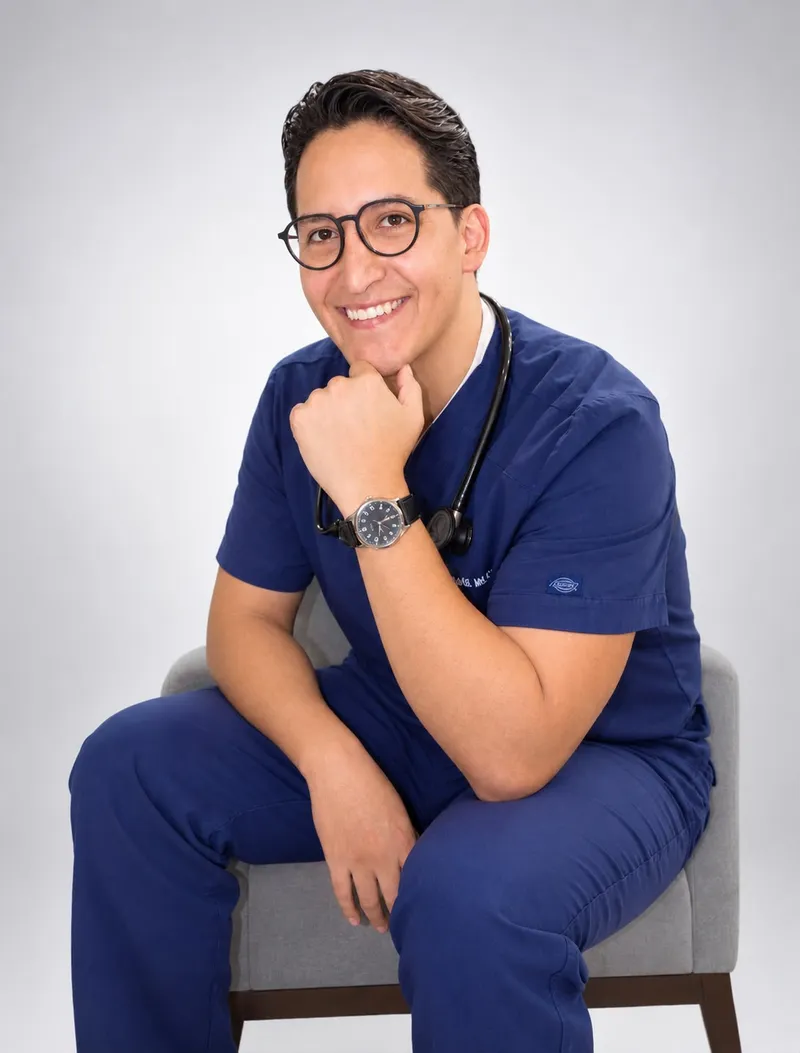
“I chose this specialty because I care about looking at the whole person, not just the illness: how they live, how much independence they keep, how they manage in their surroundings, what role their family plays.
A personal experience also played a part. I saw up close situations of ageism, and the lack of empathy that can exist toward older people within the health system. It made me think a lot about how we want our older adults to be cared for.
Behind every older adult there's a story, a family, preferences, fears, and also abilities that deserve to be recognized.”
Translated from Spanish.
Read the transcript
—Dr. Raúl, from what age do you need a geriatrician, and how does that complement the general practitioner? —Well, rather than asking at what age we should see a geriatrician, we should ask ourselves how we are aging. Remember that some patients reach 70 or 80 still living independently, while others age with many more difficulties. We complement the general practitioner's assessment, because we do a broader assessment of the older adult, preserving their independence and trying to maintain or maximize their quality of life.
He's the one who will come to the home.
Message us on WhatsApp(opens in a new tab)Frequently asked questions
Do I need to know what's wrong before calling?
No. Most families write to us describing a change, not a diagnosis: that they're not the same, that they've become forgetful, that they fell twice this month. That's exactly the starting point for an assessment.
How long does the visit take?
Considerably longer than a standard consultation. It isn't just examining the patient: it's observing their surroundings, talking with the family and reviewing every treatment one by one. That information is far more complete than what you get in a doctor's office.
Can you come at any time?
No. The assessment for older adults is by appointment, based on the doctor's availability. General medical care and urgent care do run 24 hours a day, every day, and for those you can message us at any time.
Should the family be there?
It's strongly recommended. A good part of the visit is explaining to the caregiver how to help the person move without getting hurt, how to prevent falls in that specific home, how to give treatment and which signs to watch for. Many caregivers have all the goodwill in the world and very little practical guidance.
Is it a single visit, or is there follow-up?
We set goals and follow up according to what each patient needs: how their function evolves, treatment adjustments, or confirming that instructions are being followed at home. How much follow-up is needed depends a lot on the person's support network.
Why does it cost more than a regular consultation?
Because it isn't a regular consultation. A general home consultation in Quito costs $29.99 and addresses one specific concern. The assessment for older adults takes much longer: we review function, memory, mood, gait and nutrition, go through every treatment one by one, and talk with the family about how to provide care.
What if tests are needed?
Samples are taken at the home itself and the results are interpreted by the doctor, without the older adult having to travel to a lab. They're quoted separately from the assessment.
Looking for something else? See everything we treat at home in Quito.
Tell us what you noticed
You don't need to know what's wrong. Just telling us what changed is enough to get started.